
Global systemically important banks
Enterprise treasury and derivatives architecture supporting large-scale hedging programs, capital optimization, liquidity management, and regulatory scrutiny.
Loading
Institutional experience
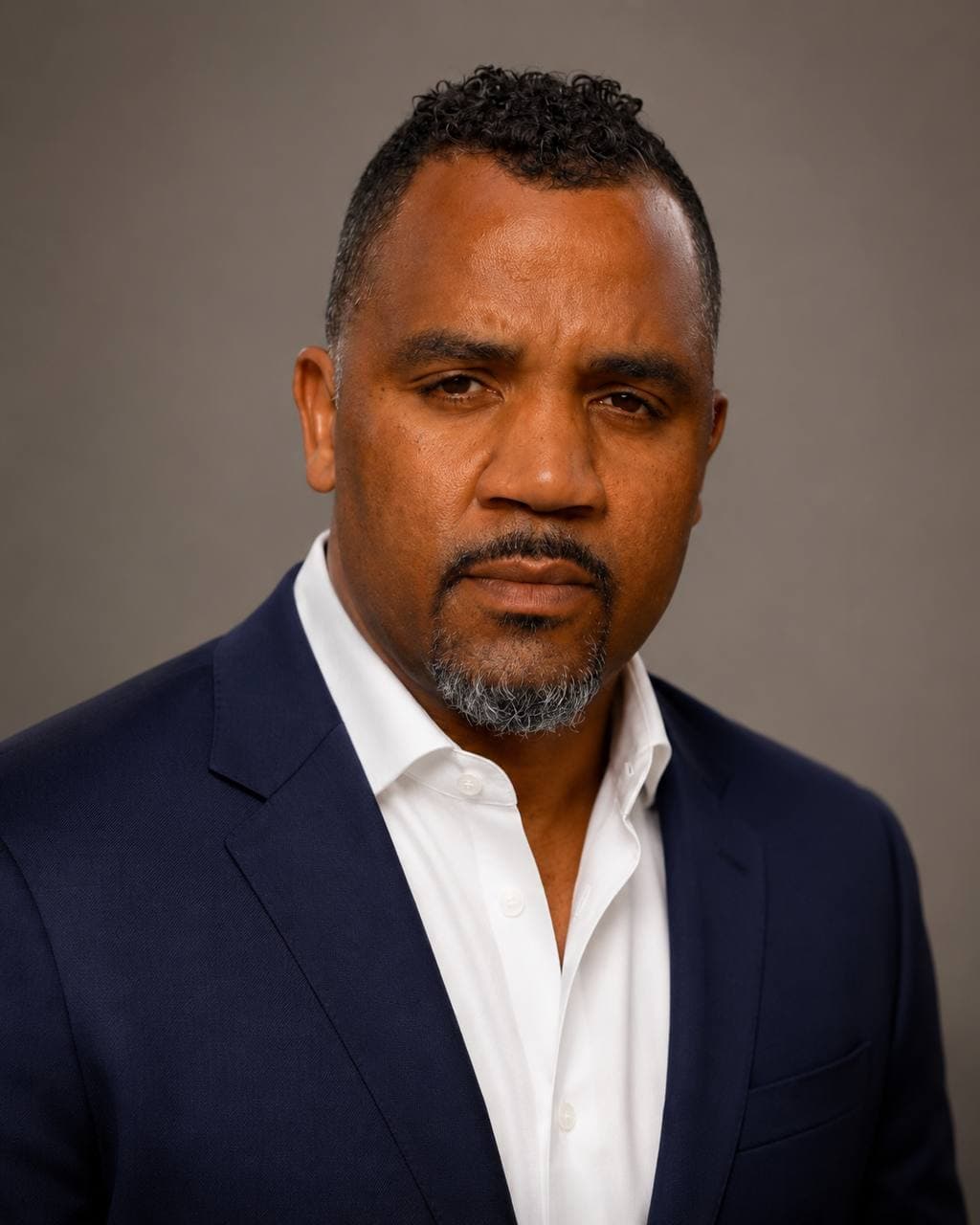
Ulysses Williams has worked with Calypso since 2004, within treasury teams, derivatives operations, and core infrastructure programs where the decisions tied directly to balance sheets, controls, and regulatory outcomes.
Calypso experience since 2004, inside the teams and systems where critical decisions are made.
Ulysses WilliamsPresidentCalypso subject-matter expert
Where the work has happened
Institution types where Calypso and adjacent capital markets infrastructure has been architected, modernized, or defended. No client is named.
Enterprise treasury and derivatives architecture supporting large-scale hedging programs, capital optimization, liquidity management, and regulatory scrutiny.
Interest rate risk, balance sheet management, and enterprise hedge accounting frameworks across volatile rate cycles.
Structured lending and derivatives infrastructure supporting complex funding and commodity exposure strategies.
Cross-border derivatives, structured flows, and risk management platforms operating across emerging and developed markets.
Member services infrastructure and balance sheet management systems within highly regulated liquidity frameworks.
Pre- and post-acquisition platform integration, portfolio operations infrastructure, and institutional risk architecture.
Retail and institutional trading infrastructure programs spanning front-to-back processing, capital markets controls, and operational risk governance.
01 / 07
Enterprise treasury and derivatives architecture supporting large-scale hedging programs, capital optimization, liquidity management, and regulatory scrutiny.
Working perspective
Booking models shape capital consumption, lifecycle configuration shapes P&L timing, and hedge designation shapes earnings volatility. Those are architectural choices with balance sheet consequences, not implementation details.
The hardest problems live between disciplines. Accounting assumes system behaviour, risk depends on data the system may not capture cleanly, and reporting needs lineage across organizational boundaries. Misalignment is where institutional risk hides.
Point-in-time validation confirms that a system handles today's trades under today's conditions. It says nothing about maturity, hedge ineffectiveness, counterparty default, or market stress.
Every mapping decision carries accounting, capital, and regulatory implications. The technical migration is the easy part. Preserving financial control through the transition is the work.
The same economic trade can consume different capital depending on how it is booked, how it is netted, how collateral is reflected, and how the system classifies it. Capital belongs at design time, not downstream.
An architecture the CFO can explain to analysts, the CAO can defend to auditors, the CRO can trust for risk decisions, and successors can maintain without a phone call.
Booking models shape capital consumption, lifecycle configuration shapes P&L timing, and hedge designation shapes earnings volatility. Those are architectural choices with balance sheet consequences, not implementation details.
Start a conversation
Describe the platform change, where it sits, and what it depends on.